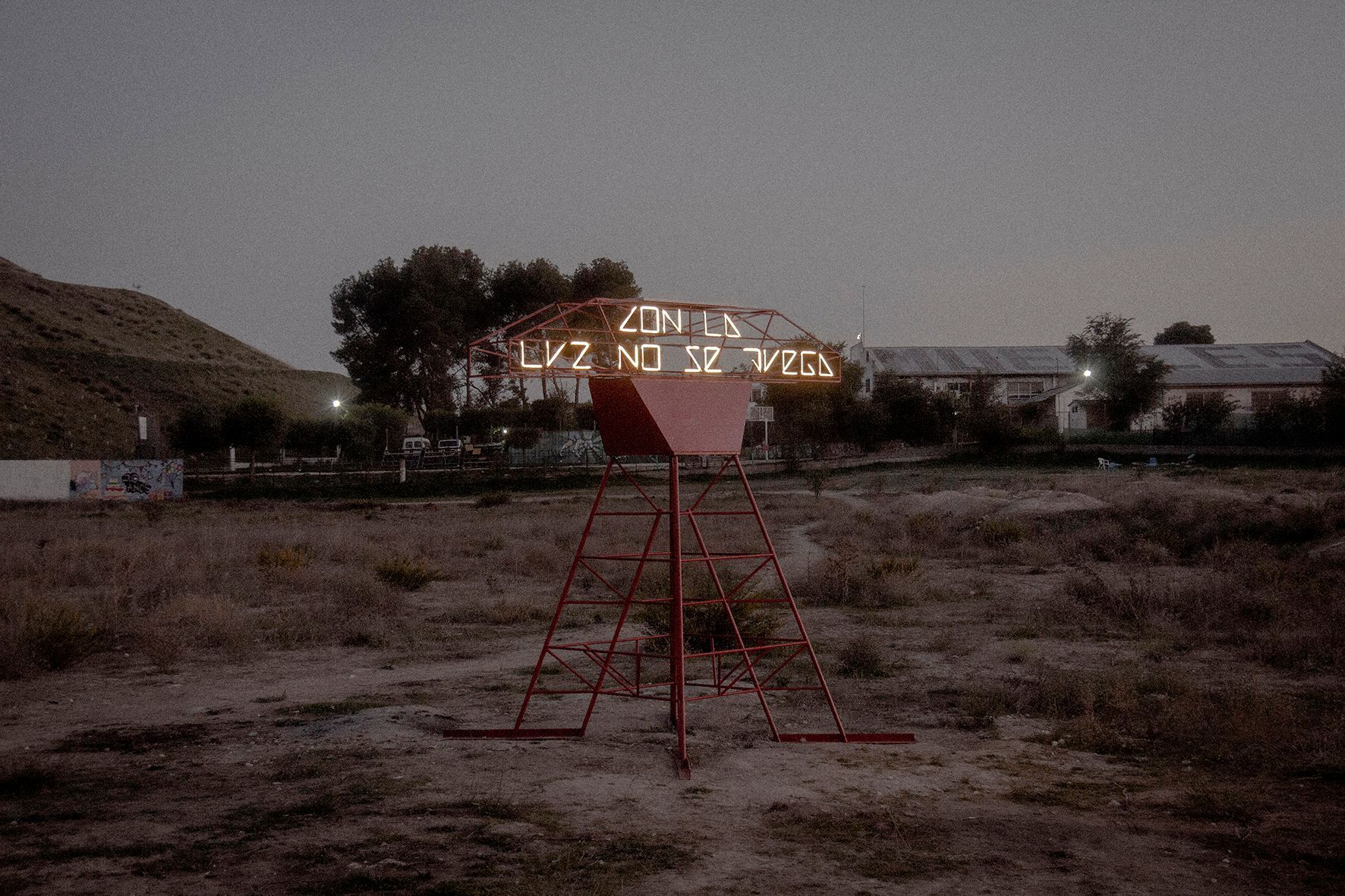
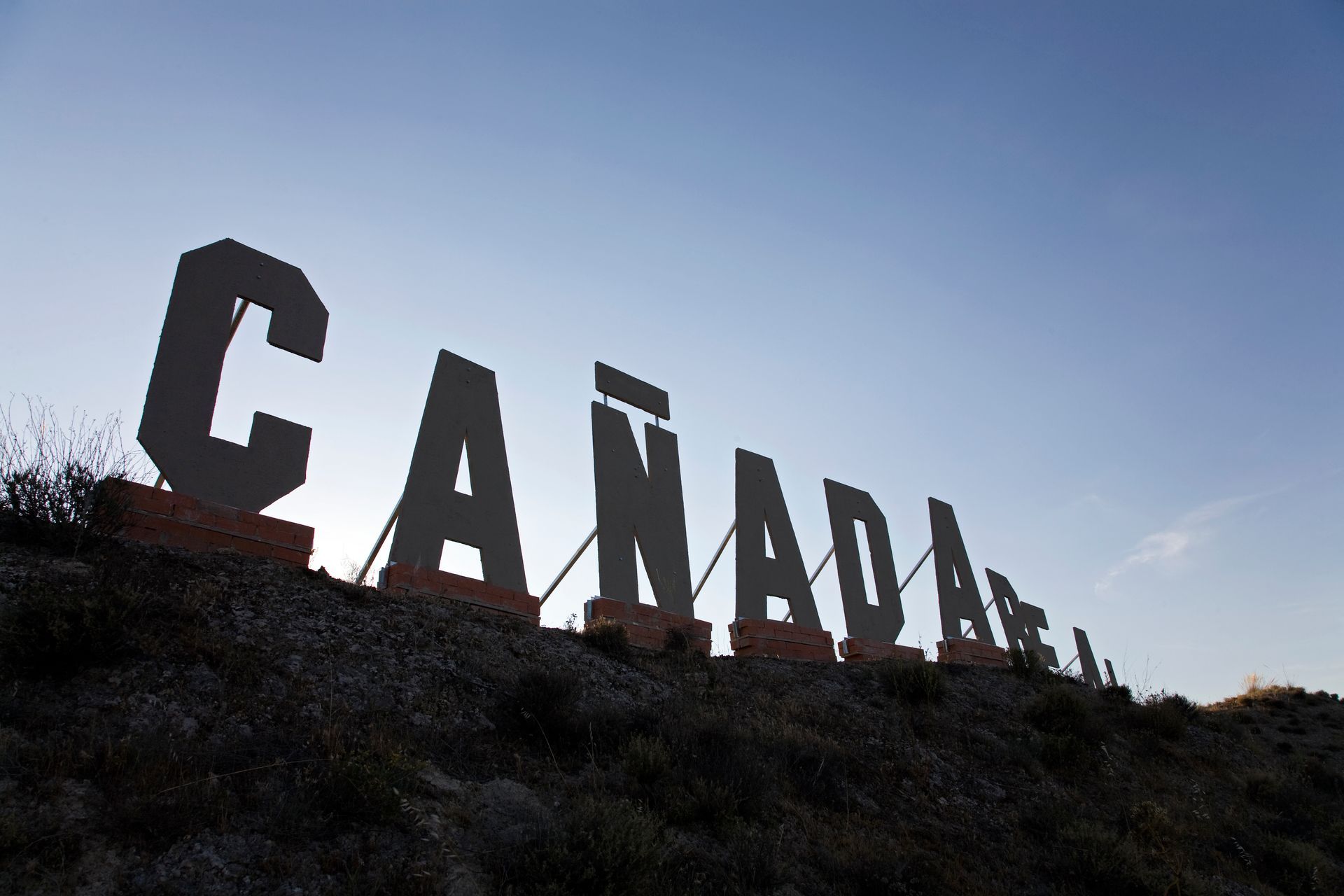
La Cañada es Real. Museo portátil de la memoria is a collective creation project by Todo por la praxis (TXP), developed together with the Asociación Tabadol and residents of Cañada Real.
Over the course of a year’s work, memories, stories, objects and materials connected to everyday life in the neighbourhood were collected. This process led to the creation of various works of art which, brought together, form a portable museum that travels to different venues across Madrid and Spain.
The project emerged at a time marked by demolitions and relocations, and by the ongoing violation of human rights, including the power cuts affecting sectors 5 and 6 for more than six years. In this context, the museum asserts memory as a right under dispute, claiming space for the stories, experiences and ways of life that have shaped Cañada Real. The works featured address experiences shaped by structural racism, inequality, stigmatization and various forms of institutional violence that have conditioned the lives of many people who live in the neighborhood.
The title revives a phrase coined by TXP more than sixteen years ago: La Cañada es Real. At the time, adding the verb «is» to the neighborhood’s name served as an affirmation in the face of its stigmatization. Today, that same phrase gives its name to a museum built from the memories of those who live there.
Context
La Cañada Real Galiana is a 16 km livestock track located in the Community of Madrid, formerly used as a transhumance route. This stretch began to be settled in the 1940s by Spanish farmers fleeing their lands, devastated after the Civil War and under the Franco dictatorship. Later, between the 1960s and 1990s, there were two waves of settlement that were more transcultural in character, as most of those arriving were migrants from different backgrounds, including Romania, Morocco and the Roma community. Over the years, the neighborhood took shape informally and irregularly as people built their own homes and formed a community in precarious conditions. Ongoing conflicts over evictions and the relocation of families, driven by property speculation in the area, have kept residents under constant threat—first through the demolition of their homes, and for the past six years through power cuts. This directly affects people’s dignity and creates a serious identity crisis. The violation of the rights of those who live there also includes cultural rights, such as the right to a neighborhood memory that values their lives, stories and sense of belonging.